
Veterinary Dermatology for Cats and Dogs
Dermatology

Skin and ear conditions in animals may have similar symptoms but can result from various causes: allergies, parasites, bacterial or fungal infections, hormonal imbalances, or other diseases.
Zoolux’s veterinary dermatologists diagnose and treat skin, coat, ear, paw, claw, and nose conditions in cats and dogs. The examination and treatment plan is tailored to each individual patient, taking into account their symptoms, previous treatment, and overall health.
When should you see a veterinary dermatologist?
Schedule an appointment for your pet if you notice:
▫️Itching, frequent scratching, licking, or biting of the skin;
▫️Constant licking of the paws or the skin between the toes;
▫️Redness, rashes, flaking, scabs, or weeping areas;
▫️Hair loss or the appearance of bald spots;
▫️dandruff, excessive oiliness, or changes in coat texture;
▫️an unpleasant odor from the skin or ears;
▫️discharge from the ears, redness of the ear canal;
▫️frequent head shaking or scratching of the ears;
▫️changes in skin color or texture;
▫️the formation of nodules, sores, lumps, or wounds that take a long time to heal;
▫️changes in the claws, paw pads, or skin between the toes;
▫️recurrence of symptoms after treatment has ended.
What conditions do veterinary dermatologists treat?
Doctors in the dermatology department diagnose and treat:
▫️allergic skin conditions;
▫️adverse food reactions;
▫️flea-allergy dermatitis;
▫️bacterial and fungal skin infections;
▫️parasitic skin diseases;
▫️acute and chronic diseases of the external auditory canal;
▫️hair loss and abnormalities in hair growth;
▫️diseases of the claws and paw pads;
▫️abnormalities in sebaceous gland function;
▫️immune-mediated skin diseases;
▫️other pathological changes in the skin, coat, and ears.
If skin changes may be related to endocrine, oncological, or other systemic diseases, a dermatologist may recommend additional tests or a consultation with another specialist.
What happens during a dermatologist's appointment?
During the initial appointment, the doctor:
▫️Gathers detailed information about the onset and progression of symptoms;
▫️Reviews the animal’s diet, antiparasitic treatments, living conditions, and care;
▫️analyzes the results of previous examinations and treatments;
▫️conducts a general examination of the patient;
▫️assesses the condition of the skin, coat, ears, paws, and claws;
▫️determines the necessary scope of diagnostic testing;
▫️develops a preliminary treatment plan and follow-up schedule.
Dermatological conditions often have similar symptoms, so it is not always possible to make a definitive diagnosis based solely on a physical examination. In some cases, additional tests, step-by-step diagnosis, and evaluation of the patient’s response to the prescribed treatment are required.
What diagnostic tests are performed?
Depending on the symptoms, the doctor may perform:
▫️otoscopy — examination of the external auditory canal;
▫️cytological examination of the skin or contents of the auditory canal;
▫️microscopic examination of the collected material;
▫️scotch test;
▫️trichoscopy — examination of fur and hair follicles;
▫️fluorescent diagnosis using a Wood’s lamp;
▫️collection of material for additional laboratory tests.
Depending on the clinical presentation, the following may be ordered: blood tests, hormone tests, bacterial or fungal tests, a skin biopsy, or consultations with other specialists.
Additional diagnostic procedures are not included in the consultation fee and are billed separately.
How can you prepare your pet for a visit to the dermatologist?
▫️It is recommended that the owner or someone who is familiar with the animal’s medical history and cares for it be present at the appointment.
▫️Bring the results of previous examinations, medical reports, and a list of medications your pet has been taking.
▫️Prepare information about your pet’s diet, treats, parasite treatments, and grooming products.
▫️If possible, do not bathe the animal or apply cosmetic or medicinal products to affected areas immediately before the appointment.
▫️Do not clean the ears before the examination unless the veterinarian has provided other recommendations.
▫️Do not stop giving prescribed medications or change your pet’s diet on your own.
▫️If your pet is very afraid of the exam or may become aggressive, please mention this when making the appointment. The veterinarian will determine in advance whether additional preparation is needed.
You do not need to fast before a routine dermatologist appointment, unless you were given other specific instructions when you made the appointment.
How do I make an appointment with a dermatologist?
Appointments with the veterinary dermatologist are by appointment only.
You can sign up:
▫️by clicking the “Sign Up” button on the website;
▫️by phone at (044/097) 344 88 88;
When making an appointment, please let us know what symptoms your pet is experiencing and how long they have been present. If your pet is very afraid of being examined or may become aggressive, please let us know in advance.
The contact center will help you choose a clinic, a doctor, and a convenient appointment time, and will let you know if any additional preparation is needed.
Where do Zoolux veterinary dermatologists see patients?
Dermatologists see patients at all Zoolux clinics:
▫️Kyiv, 39 Dmytrivska St.;
▫️Kyiv, 42B Revutskoho St.;
▫️Kyiv, 2D Volodymyr Ivasyuk Ave.;
▫️ Brovary, 51 Metalurhiv St.
Frequently Asked Questions:
Do I need a referral to make an appointment with a dermatologist? -No, you can schedule a consultation on your own. If your pet has been examined or treated at another clinic in the past, please bring the test results, medical reports, and previous prescriptions with you.
Is it possible to make a diagnosis based on a photo or over the phone? - It is impossible to reliably determine the cause of an illness and prescribe appropriate treatment based solely on a photo or a description of symptoms. To make a diagnosis, a veterinarian needs to take a medical history, examine the animal, and, if necessary, perform dermatological tests. An online consultation can help analyze existing test results and determine next steps, but it does not replace an in-person examination.
What is included in the cost of a dermatologist’s consultation? - The cost includes the patient’s examination, consultation, and treatment recommendations. Otoscopy, cytology, specimen collection, and other additional diagnostic procedures are billed separately.
Why does a veterinarian order additional tests if the problem is apparent during an examination? - Itching, redness, hair loss, and other changes can occur for various reasons. The same external symptoms can accompany allergies, parasitic, bacterial, fungal, and systemic diseases. Additional tests help determine the cause of the changes and select the appropriate treatment.
Can I bathe my pet before the appointment? - If possible, do not bathe your pet or apply any cosmetic or medicinal products to its skin immediately before the exam. This can affect the condition of the skin and the results of certain tests.
If your pet is undergoing a prescribed treatment, do not change it on your own—please confirm the recommendations when you make your appointment.
Should I clean my pet’s ears before the appointment? - It is not recommended to clean your pet’s ears or use ear products without a veterinarian’s prescription before the examination. This may complicate the assessment of the condition of the ear canal and the collection of material for cytological examination.
If your pet is already receiving prescribed treatment, do not stop it without consulting your veterinarian.
Should I stop giving my pet its medications before the appointment? - Do not stop giving your pet its medications on your own. Make a list of the medication names, dosages, and duration of treatment. The decision to change or temporarily suspend treatment is made by the veterinarian.
Is fasting required? - Fasting is not required before a routine dermatology consultation. It may be necessary if the doctor has scheduled a procedure involving sedation in advance or has provided other individualized recommendations.
Why can’t a diagnosis always be made during the first visit? - Dermatological conditions often have similar symptoms. To determine the cause, several tests, a diagnostic diet, an assessment of the response to treatment, or monitoring of the patient’s condition over time may be necessary. After the initial consultation, the doctor develops a plan for further diagnosis and treatment.
Are follow-up visits necessary? - Follow-up visits are often part of the treatment. They allow the doctor to assess changes in the condition of the skin or ears, evaluate the results of the prescribed treatment, and adjust the treatment plan if necessary. The doctor determines the date of the next visit on a case-by-case basis.
How long does treatment for a dermatological condition last? - The duration depends on the cause of the condition, its severity, and the patient’s response to treatment. Some conditions can be resolved after a single course of therapy, while chronic or allergic conditions may require long-term monitoring and regular follow-up visits.
Вартість основних послуг
Вид послуг
Ціна
Visit to a dermatologist
Patient examination, medical history review, consultation, development of a diagnostic plan, and treatment recommendations. Additional diagnostic procedures and tests are not included in the cost of the appointment and are billed separately.
Appointment with the Head of the Dermatology Department
Patient examination, medical history review, consultation, development of a diagnostic plan, and treatment recommendations. Additional diagnostic procedures and tests are not included in the cost of the appointment and are billed separately.
Otoscopy
Examination of the external auditory canal and the visible portion of the eardrum using an otoscope.
Cytological examination of the scotch test
A microscopic examination of material collected from the skin's surface using a special adhesive tape. It helps assess the cellular composition and detect bacteria, yeast, and other abnormalities.
Cytological examination: smear microscopy
A microscopic examination of cellular material obtained directly from the affected area of the skin. It helps assess the inflammatory process and detect bacteria, yeast, and other cellular changes.
Luminescent diagnostics
Examination of the skin and hair under the ultraviolet light of a Wood's lamp. This is used as one of the methods for diagnosing certain types of dermatophytes. The results of the examination are evaluated in conjunction with the physical examination and other diagnostic data.
Cytological examination of a sample from the external auditory canal
Microscopic examination of a sample from the external auditory canal. This helps assess the inflammatory process, cellular composition, and the presence of bacteria and yeast.
Mycological testing for pathogenic fungi without determining susceptibility
Laboratory testing of the specimen for pathogenic fungi, specifically dermatophytes that cause ringworm. Susceptibility testing for antifungal medications is not performed. Estimated turnaround time: approximately 10 days.
Trichoscopy
Microscopic examination of fur and hair follicles to assess hair structure, growth phases, and signs of damage.
Administration of Allergen-Specific Immunotherapy (ASIT)
Administration of the prescribed dose of the medication for allergen-specific immunotherapy according to an individualized regimen and under a doctor’s supervision. The cost of the medication, consultations, and additional procedures is not included in the price of the service.
Storage of the drug “Alkoid”
Storage of a patient’s individualized medication at the clinic under the required temperature conditions for six months. Administration of the medication and other medical services are billed separately.
Cytomorphological examination
A laboratory analysis of cellular material to assess its composition and the nature of pathological changes. The cost of specimen collection is not included in the test price and is billed separately.
Collection of tissue samples using the fine-needle aspiration biopsy method
The collection of cellular material from a neoplasm or other pathologically altered area using a fine needle. Cytomorphological analysis of the collected material is not included in the price and is billed separately.
Histological examination
A laboratory examination of a tissue sample to assess its structure and determine the nature of pathological changes. The collection of biopsy material and anesthesiological care are not included in the cost and are billed separately.
Sample selection for research
Collection of biological material required for laboratory or other diagnostic testing
Бажаєте отримати професійну консультацію?
Наші відділення, знання та вміння лікарів, обладнання і особливе ставлення до тварин щодня лікують сотні домашніх улюбленців і рятують їм життя! Клініка працює 24/7, без перерви у вигляді святкових днів.

Наші фахівці
У розпорядженні лікарів доступні найсучасніші діагностичні інструменти
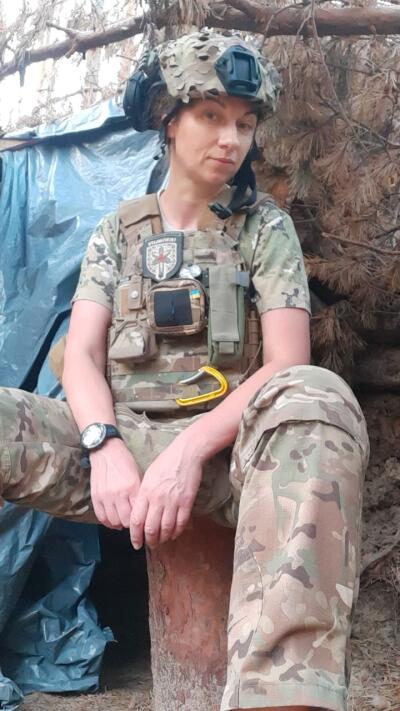
Andronova Tetyana
Dermatologist
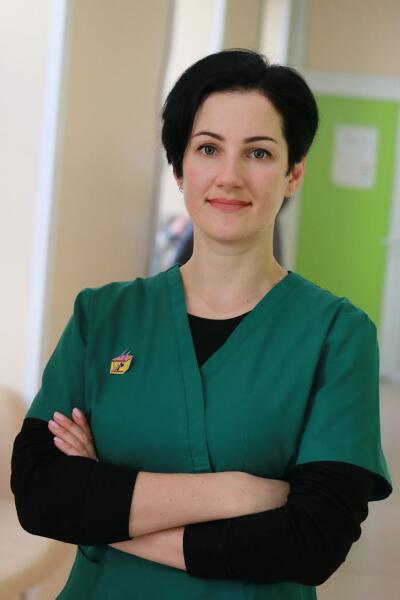
Antonina Gaidamak
Dermatologist
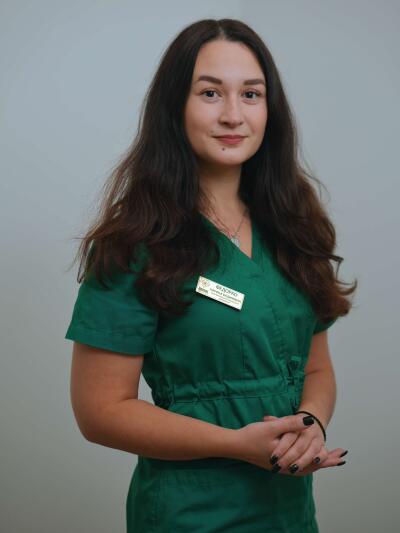
Karina Fedorko
Head of the Dermatology Department

Poletaeva Olena
Dermatologist

Elena Gerasimova
Dermatologist

Anna Ihorivna Chetvertnova
Dermatologist
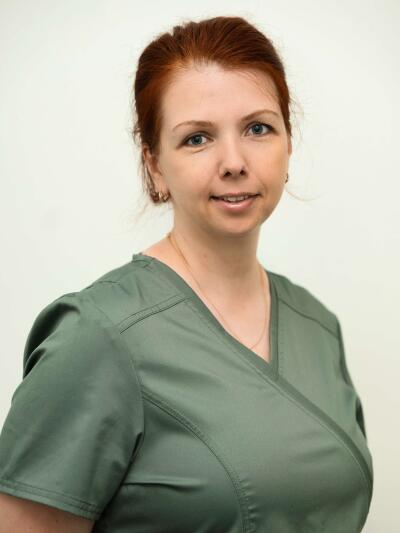
Anna Dobrovolska
Dermatologist